
Gold and Land Mining at KANGKER Construction International Ltd in Africa
KANGKER Construction International Ltd can position its Gold and Land Mining division as part of a broader commitment to unlocking Africa’s natural-resource potential and converting mineral wealth into sustainable economic opportunities.
Africa possesses substantial mineral resources, and mining can contribute to exports, government revenues, infrastructure development, investment and industrialization. The World Bank notes that mining can become a stronger development engine when countries move beyond simply extracting raw materials and increase processing, refining, manufacturing and local value addition.
Gold Mining
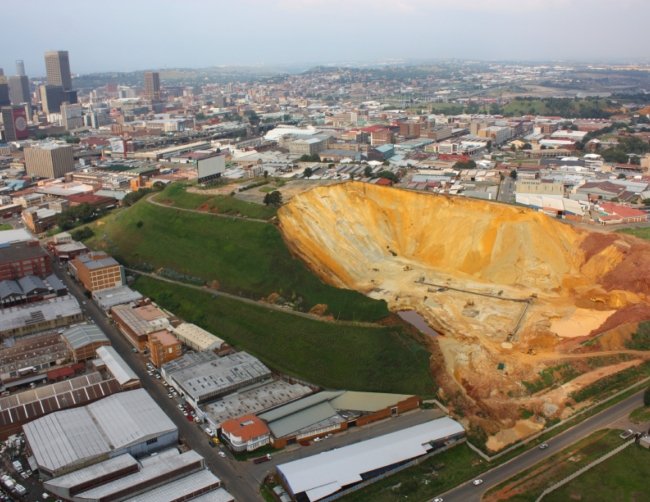
At KANGKER, gold mining can focus on the identification, exploration, development and responsible extraction of gold resources. The company can work with qualified geological, engineering and mining professionals and strategic partners to assess mineral-bearing land and develop commercially viable mining opportunities.
Gold is particularly important to Africa because of its role in international trade and rural livelihoods. Artisanal and small-scale mining across Africa supports millions of livelihoods, while gold is among the key minerals produced through this sector.
KANGKER’s gold-mining activities can include:
- Geological and land assessment
- Mineral exploration
- Identification of gold-bearing areas
- Mine-site development
- Responsible extraction and material handling
- Mining equipment and infrastructure support
- Mineral processing and recovery
- Partnerships for refining and marketing
- Environmental management and land rehabilitation
Land Mining
KANGKER’s land mining activities can involve the exploration and development of mineral resources located on land, including gold and other commercially valuable minerals and materials.
The company can combine its mining interests with its construction expertise to support the development of access roads, drainage systems, site facilities, storage areas, foundations, worker facilities and other mining infrastructure.
This creates an integrated model in which mining and construction complement each other—mineral resources provide economic opportunities while infrastructure makes those resources accessible and commercially productive.
Contributing to Africa’s Economy
KANGKER’s vision for gold and land mining can extend beyond mineral extraction. Responsible mining can help generate:
Employment: Mining creates direct opportunities for technical workers and additional opportunities through transportation, construction, equipment maintenance, supply chains and other supporting businesses. The World Bank emphasizes that mining’s wider employment impact can come through local suppliers and downstream activities.
Investment: Well-developed mineral projects can attract capital into exploration, mining, processing, infrastructure and related industries.
Infrastructure: Mining operations require transportation, power, water and communications infrastructure, which can also support surrounding communities and businesses.
Government revenue: Properly regulated mining can contribute taxes, royalties and other public revenues that can support national development.
Local businesses: Mining creates markets for local contractors, suppliers, transport companies, equipment providers, accommodation providers and other enterprises.
Value addition: KANGKER can support the transition from exporting raw minerals toward processing and refining within Africa. This is important because value addition can retain more economic benefits and employment within the continent.

Responsible Mining at KANGKER
KANGKER’s approach should emphasize that Africa’s mineral wealth must be developed responsibly. Mining activities should incorporate environmental protection, worker safety, community engagement, legal compliance and rehabilitation of mined land.
This is especially important for artisanal and small-scale mining, where improved regulation, environmental practices, technology and access to formal markets can increase economic benefits while reducing risks.
KANGKER’s Vision for African Mining
KANGKER can therefore present its Gold and Land Mining division as an initiative aimed at turning Africa’s natural resources into sustainable economic opportunities.
The long-term vision is not simply to extract and export minerals. It is to participate in a complete value chain involving exploration, responsible extraction, processing, infrastructure, investment, local employment and value addition.
Through strategic partnerships, modern technology and responsible resource management, KANGKER seeks to contribute to an African mining industry that creates jobs, strengthens local businesses, supports infrastructure development and retains a greater share of mineral value within Africa.
At KANGKER Construction International Ltd, land mining can be positioned as an important part of the company’s broader natural-resource and infrastructure activities. Land-based mining involves the exploration, extraction, processing, and responsible management of mineral resources found beneath the earth’s surface, including gold and other valuable minerals.
Gold is particularly important to Uganda and the wider African economy. Uganda’s gold exports have become a significant source of foreign exchange; World Bank trade data, for example, recorded gold as Uganda’s largest individual export product in 2023, at about US$2.23 billion in reported exports of semi-manufactured gold.
How KANGKER Can Contribute Through Gold and Land Mining
1. Creating employment opportunities
Mining creates direct employment for miners, engineers, geologists, equipment operators, environmental specialists and other professionals. It also supports indirect employment in transportation, construction, equipment maintenance, accommodation, food supply and other businesses. Artisanal and small-scale mining alone supports millions of livelihoods across Africa.
2. Generating foreign exchange
Gold and other mineral exports bring foreign currency into African economies. Uganda’s experience demonstrates the importance of gold as an export earner, while increased mineral production can help strengthen international trade and foreign-exchange earnings.
3. Supporting local communities
Well-managed mining operations can stimulate economic activity around mining areas by creating markets for local suppliers, transporters, contractors, accommodation providers and other businesses. This creates an economic chain extending beyond the mine itself.
4. Supporting infrastructure development
Mining operations require roads, bridges, power, water systems, communication networks, warehouses and other infrastructure. Companies operating in the mining and construction space can therefore contribute to infrastructure development while facilitating access to previously underserved areas.
5. Encouraging investment in Africa
Responsible mineral exploration and mining can attract domestic and international investment. The World Bank identifies mineral-based industrial development and value addition as areas that can contribute to Uganda’s broader economic transformation.
6. Promoting value addition
KANGKER can contribute to Africa’s economic transformation by supporting a shift from simply extracting raw minerals toward processing, refining and adding value locally. This can create additional employment, develop technical skills and increase the economic value retained within African economies.
KANGKER’s Role in Gold Mining
For KANGKER, gold mining can be presented as more than simply extracting a precious metal. The company’s approach can encompass mineral exploration, land assessment, extraction, material handling, logistics, processing partnerships and responsible resource management.
The economic significance of this approach is demonstrated by Uganda’s mining sector: the World Bank reported that growth in mining and quarrying contributed to Uganda’s economic expansion, with higher gold prices and improvements in the artisanal-mining environment supporting the sector.
Land Mining and Africa’s Economic Transformation
Land mining has the potential to contribute to Africa’s development through a combination of:
- Job creation
- Foreign-exchange earnings
- Tax and royalty revenues
- Infrastructure development
- Local business growth
- Skills and technology transfer
- Industrialization and value addition
- Regional and international trade
Research on artisanal and small-scale mining in Uganda has also highlighted the substantial economic potential of formalizing and improving the sector.
A Responsible Mining Approach
For KANGKER, economic development should go hand in hand with environmental protection, land restoration, worker safety, community engagement and compliance with mining laws. Responsible mining helps ensure that mineral wealth benefits present communities without unnecessarily compromising the ability of future generations to benefit from Africa’s natural resources.
KANGKER’s Contribution to Africa
In company-profile language, KANGKER can therefore position its mining activities around a broader vision:
“KANGKER Construction International Ltd is committed to harnessing Africa’s mineral potential responsibly by supporting gold and land-based mining activities that create employment, stimulate local businesses, attract investment, strengthen infrastructure and contribute to economic growth. Through responsible resource development, technology, partnerships and value addition, KANGKER seeks to transform Africa’s natural resources into sustainable opportunities for communities and future generations.”