Building Construction at KANGKER Construction International Ltd in Africa
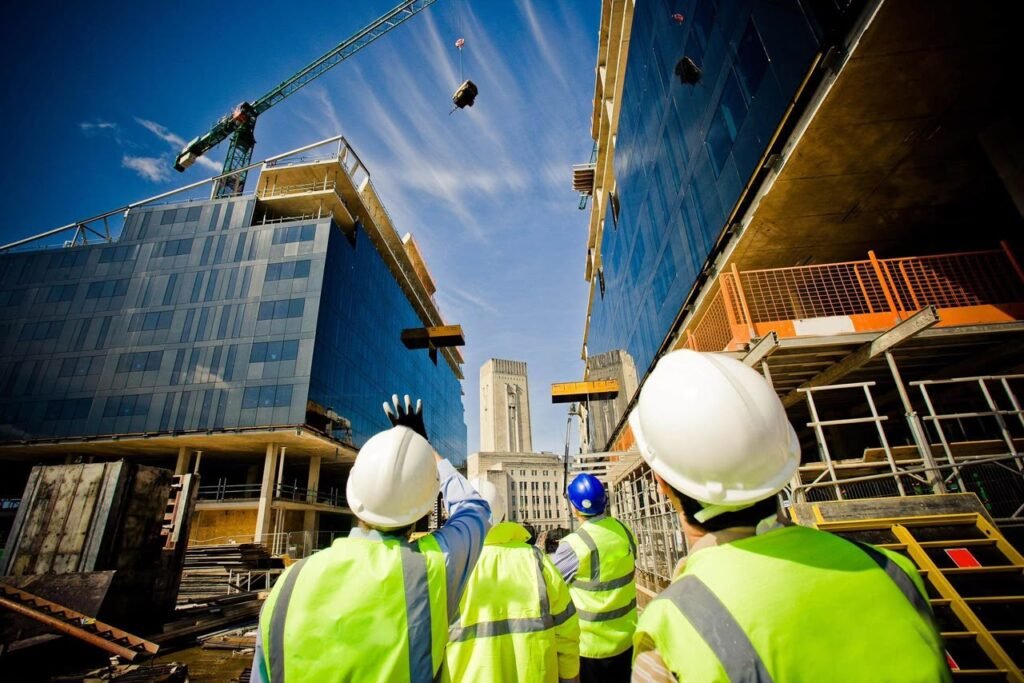
KANGKER Construction International Ltd can position its building construction division as a key part of its vision to contribute to Africa’s infrastructure development through quality, innovative, durable and sustainable buildings.
Africa’s rapid urbanization is creating growing demand for housing, commercial facilities, schools, healthcare facilities, industrial buildings and other infrastructure. The World Bank notes that construction can contribute to job creation, economic development and stronger construction markets, while Uganda’s construction sector has recently been identified as an important engine for employment and growth.
Our Building Construction Approach
At KANGKER, building construction can cover the complete project cycle—from concept and planning to design, construction, finishing and handover. The company can work with architects, engineers, quantity surveyors, technicians and other professionals to ensure that projects are properly planned and executed.
Our building construction services can include:
- Residential construction – homes, apartments, estates and housing developments.
- Commercial construction – offices, shops, business premises and mixed-use buildings.
- Institutional construction – schools, healthcare facilities, administrative buildings and community facilities.
- Industrial construction – warehouses, factories, workshops and production facilities.
- Hospitality construction – hotels, lodges, restaurants and recreational facilities.
- Renovation and expansion – modernization, extensions and structural improvements.
- Finishing and interior works – flooring, ceilings, painting, plumbing, electrical installations, doors, windows and fittings.
Quality and Durable Structures
KANGKER’s building philosophy can focus on constructing structures that are safe, functional, durable and suitable for their intended environment. Proper site assessment, engineering design, quality materials, skilled workmanship and construction supervision are essential to achieving this.
Building regulations and professional standards are particularly important across Africa because rapid population growth and urbanization are increasing demand for new buildings, while some areas continue to face challenges involving building safety, resilience and regulatory enforcement.
Modern and Sustainable Construction
KANGKER can incorporate modern construction technologies and sustainable building principles into its projects. These may include:
- Energy-efficient building systems
- Natural lighting and ventilation
- Climate-responsive architectural designs
- Efficient water systems
- Responsible material selection
- Construction-waste reduction
- Durable and locally appropriate materials
- Resilient structural designs
- Solar and other renewable-energy solutions where appropriate
The IEA’s Africa buildings roadmap emphasizes passive design, material efficiency, low-carbon materials, efficient building envelopes and resilient construction as important pathways for improving Africa’s buildings sector.
Building for Africa’s Future
KANGKER’s building construction activities can contribute to Africa’s development by supporting employment, local businesses, professional skills, material supply chains and infrastructure growth.
Construction also creates opportunities for architects, engineers, artisans, drivers, equipment operators, suppliers, manufacturers and other professionals. Well-planned construction projects can therefore generate economic activity far beyond the construction site itself.
For Uganda specifically, the World Bank’s 2026 economic update describes construction as a sector with significant potential to create jobs at scale, while recent urban-development investments are emphasizing climate-smart infrastructure and employment.
KANGKER’s Building Construction Vision
KANGKER can distinguish itself by combining construction expertise, modern technology, quality materials and sustainable practices to deliver buildings that respond to Africa’s changing needs.
The company’s long-term objective can be to participate in the development of modern homes, productive commercial spaces, industrial facilities and essential community infrastructure that support economic growth and improve people’s quality of life.