Architectural Design & Planning at KANGKER Construction International Ltd in Africa
KANGKER Construction International Ltd can position its Architectural Design & Planning division as the creative and technical foundation of every successful construction project. Our approach is focused on transforming clients’ ideas into practical, attractive, safe and sustainable spaces that respond to Africa’s changing built environment.
Africa’s rapid urbanization and population growth are increasing demand for homes, commercial buildings, schools, healthcare facilities and other infrastructure. This makes thoughtful architectural planning particularly important for creating buildings that are safe, efficient, resilient and appropriate to their local environment.
Architectural Design Services
KANGKER can provide architectural and planning solutions for:
- Residential homes and housing developments
- Apartments and multi-unit developments
- Commercial and office buildings
- Hotels and hospitality facilities
- Schools and institutional buildings
- Healthcare facilities
- Industrial and warehouse developments
- Mixed-use developments
- Renovation and building extensions
- Master planning and site development
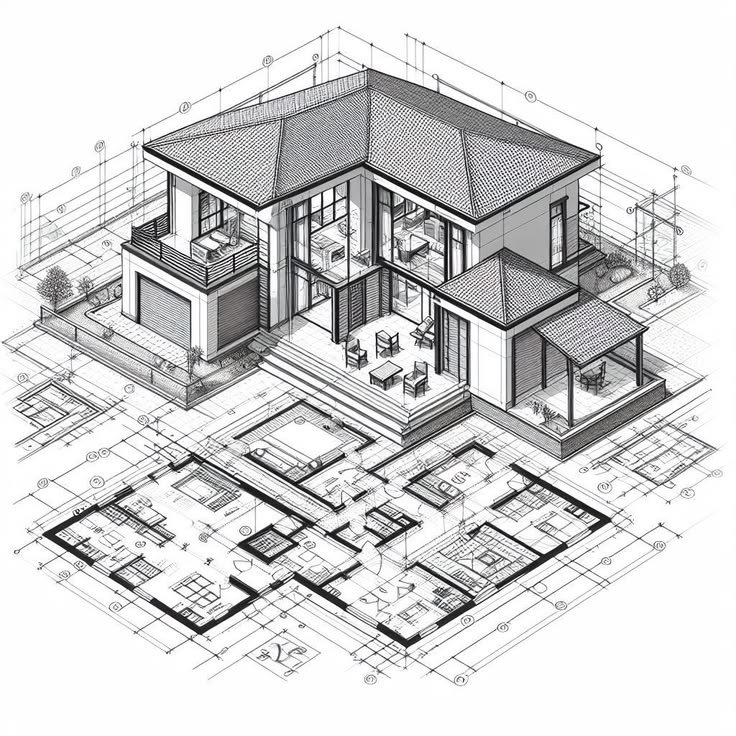
Our design process can integrate architectural concepts, space planning, site analysis, building functionality, aesthetics, structural considerations and construction requirements from the beginning of a project.
Site Planning and Development
Good architecture begins with understanding the site. KANGKER can undertake site and development planning that considers:
- Land characteristics and site conditions
- Access and circulation
- Building orientation
- Drainage and stormwater management
- Natural lighting and ventilation
- Landscaping and open spaces
- Utility requirements
- Environmental considerations
- Future expansion
- Applicable planning and building requirements
This is especially important in Africa, where inappropriate site selection and inadequate consideration of flooding and soil conditions can create significant risks to buildings.
Sustainable African Architecture
KANGKER can incorporate climate-responsive and sustainable design principles into architectural projects. These may include natural ventilation, shading, daylighting, appropriate building orientation, efficient building envelopes, sustainable materials and renewable-energy solutions where appropriate.
The IEA’s Africa buildings roadmap specifically identifies passive design, shading, natural ventilation, insulation, material efficiency, resilience and clean energy as important elements of the continent’s transition toward more efficient and resilient buildings.
Modern Technology in Design
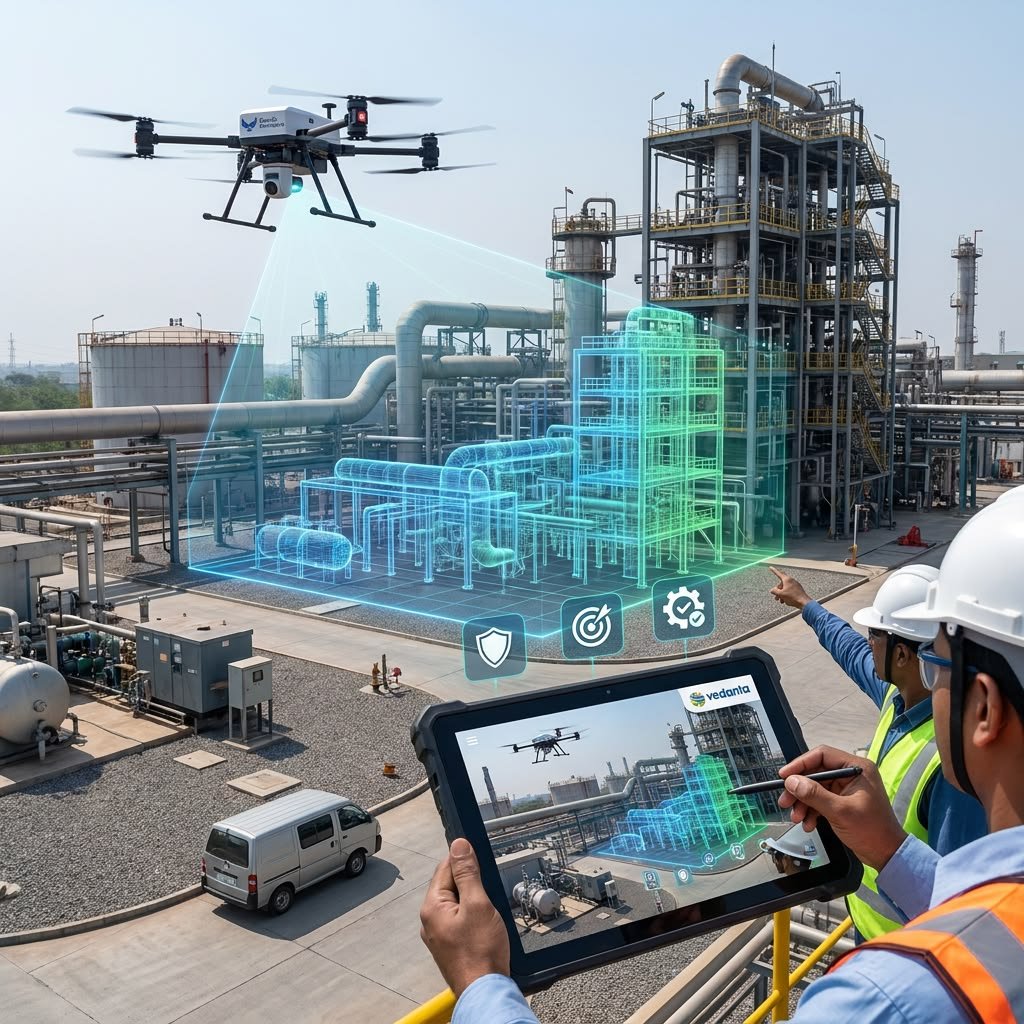
KANGKER can utilize modern architectural and engineering technologies to improve the planning and delivery of projects. These may include:
- Computer-aided architectural design
- 3D visualization
- Building information modelling (BIM)
- Digital site planning
- 3D presentations and virtual concepts
- Structural coordination
- Digital project documentation
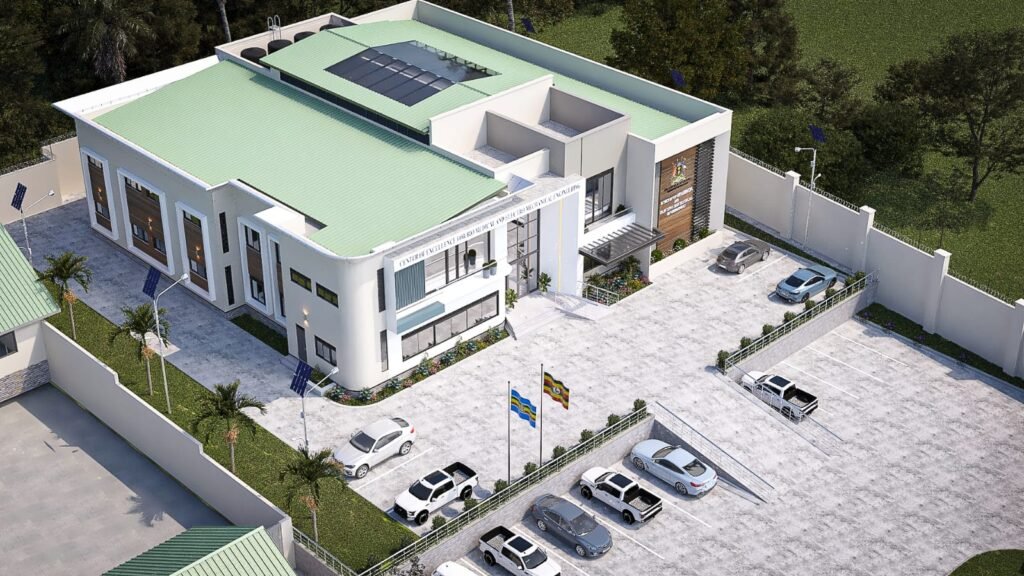
These technologies can help clients understand a proposed building before construction begins and can improve coordination between architects, engineers, contractors and other project stakeholders.
From Concept to Construction
One of KANGKER’s strengths can be its ability to connect architectural planning with actual construction. Instead of treating design and construction as completely separate processes, the company can coordinate architectural concepts with engineering requirements, material selection, budgeting and construction methods.
This integrated approach can help create buildings that are not only visually appealing but also practical, cost-conscious, durable and easier to construct and maintain.
Designing for Africa’s Future
KANGKER’s architectural vision can focus on creating buildings that respond to Africa’s unique environmental, economic and social conditions. Sustainable design is increasingly important as the continent’s building stock expands. The Africa buildings roadmap calls for greater collaboration among architects, urban planners, developers, investors, construction companies and other stakeholders to improve building efficiency and resilience.
Through thoughtful architectural design and planning, KANGKER can contribute to:
Better communities — by creating functional and attractive living and working environments.
Sustainable development — through energy-efficient and environmentally responsible designs.
Economic growth — by planning commercial, industrial and mixed-use developments that support businesses.
Urban development — through organized land use and integrated master planning.
Long-term value — by designing buildings for durability, adaptability and efficient operation.